“In an editorial, the New York Times (5/3, Subscription Publication, 1.68M) writes the United States Preventive Services Task Force “recommended that Americans aged 15 to 65 be voluntarily screened for H.I.V., the virus that causes AIDS, and that many of those found infected receive antiviral drugs even before symptoms develop.” The task force previously advised, in 2005, “screening only adolescents and adults at increased risk of infection, like men who have sex with men, but eschewed wider testing.” The panel now believes that the “net benefit of screening adolescents, adults and pregnant women is ‘substantial,'” as possibly over 200,000 Americans may be infected and not even know it. The Times believes that if these infections could be detected early, the patients would be “less likely to suffer severe illness and premature death,” and would limit the spread of the virus.” (AMA)
Blogfinger Medical Commentary: By Paul Goldfinger, MD
There have been great privacy concerns that have influenced the prior discussions of HIV screening. These new recommendations widen the screening net, but continue to insist that testing be voluntary, and I believe that is appropriate, although in a perfect world, everyone would be tested. There are about 1.2 million HIV persons in the US, and about 20-25% are unaware that they are positive.
This is such a complicated issue. For example, treating people with a positive test who have no symptoms means that the reasons to start medication have to do with goals such as reducing complications and perhaps reducing the risk of infecting others. But the usual precautions to prevent spread by positive individuals to negative individuals would not be changed just because someone is on therapy. And the goals of therapy do not include “cure.” No cure has been found so far.
You can read the report in the April 30, 2013 edition of the Annals of Internal Medicine (linked below)
I think a really important message that underlies this situation is that being positive for HIV is no longer a death sentence. Instead, with treatment, the condition has become more like a chronic disease. The treatments now available are well tolerated by most people, but those drugs can certainly cause problems, as can any drugs.
If any of you reading this find yourself with a positive test result, don’t shrug your shoulders just because you feel fine. See a specialist in HIV infections. There are some who practice in the Neptune area.
This question has so many elements that it could be the title of a book with a dozen volumes. I have personally tried to focus here on questions about how doctors will function under Obamacare and how quality care will be affected in the future. Two issues which I have highlighted have to do with the doctor shortage and the failure of primary care under our present system. I have complained about the continued lack of details regarding how medicine will be practiced in the new system. Many details haven’t even been written yet, but it is clear that there will be major changes that will be defined by thousands of new government regulations that will supersede the traditional roll of the physician.
In the last ten years, a growing number of doctors have given up their private practices to become employees of large hospital systems or else they have folded their practices into huge physician groups. One concept that is evolving to deal with the doctor shortage is the model that envisions a team approach to patient care.
This will invariably allow providers other than doctors to provide primary care. These providers (nurses, physician assistants, nurse practitioners, and pharmacists) will function by following guidelines. Primary care clinics will be set up in thousands of pharmacies, and non-physician providers will be able to have their own offices or urgi-centers and write prescriptions. Doctors will lose control as they become cogs in the wheel, and the doctor-patient relationship will cease to be important.
It will be like the call centers you get when you try to get technical help for your computers. The person who answers the phones has limited knowledge and can only answer an array of set questions. After that you get referred to a specialist. I have heard a physician assistant in a nearby hospital ER say that he can do everything a doctor can. Perhaps the mechanics may seem the same, but the quality is not. I have witnessed potentially serious errors by non-physicians trying to be doctors in local ER’s. Obamacare should be very careful about who gets the keys to the car. It will be a malpractice minefield. We will need many lawyers to protect the public.
The situation is complicated by new ways to practice medicine that are beginning to evolve including genotyping of patients and medical care based on genetic testing. The focus will be on the individual, and care will often be given electronically, for example by using smart phones, wireless technology to monitor patients at home, and emails to communicate with patients. I think these advances will be good for healthcare.
For example, new sensor technology will allow continuous monitoring of blood sugars in diabetics with the data flowing back wirelessly to the provider. Office and ER visits will be less necessary. I recently purchased a device for my iPhone which will record an ECG just by having the patient put two fingers on my phone. This $200.00 device could be given to a patient who, instead of going to an ER when he has palpitations, can record an ECG and transmit it via his phone to a technician on call who will send it to the doctor. Maybe some doctor in Bangladesh will check it for you, but this is exciting.
There are many elements to worry about. I believe there will be a chaotic situation after 2014 until all the issues settle out over time. Meanwhile it will be a worrisome period for patients. Electronic medical record technology is far from being a success, and it can sometimes actually cause problems for patients. These systems are nowhere near being universally integrated.
The pharmaceutical industry is failing to come up with new ideas (except in the area of bimolecular solutions in cancer and cardiac care where drugs can be chosen based on genetic testing.) Medical research sometimes gets the wrong answers and studies may provide conflicting solutions. Sometimes FDA approved drugs turn out to be dangerous. Much of what doctors do don’t work and are not based on science. Medical errors in and out of the hospital continue to cause many deaths.
How will all this shake out? People need to pay attention, get educated, ask questions, communicate on social networks, and try to get the best care they can as they bounce around among the options.
In the 1960’s and 1970’s, a link was found between diet and coronary heart disease. Countries that had diets heavy with saturated fats (e.g. the US) had the highest rates, while countries that had a lot of fish and vegetables (e.g. Japan) had low rates. Many Americans began to reduce their intake of red meat, and the government advocated low fat diets.
But clinical trials that attempted to show the preventive benefits of such diets failed to show reduced end-points such as heart attack rates. Later a link with cholesterol was found, and doctors preferred to achieve prevention by severe lowering of blood cholesterol levels with statin drugs. For the most part, doctors have ignored nutrition as a potent way to protect our cardiovascular systems.
In recent years, the prevention community began to suggest that the best diet for prevention was a modified Mediterranean diet based on how people eat in places such as southern Italy and France.
This is what I had to say about this subject in our book: “Prevention Does Work: A Guide to a Healthy Heart” 2011:
“Mediterranean diets have been linked to a reduction in risk due to the fact that they contain monounsaturated fat from olive oil, plus fruits, whole grains, fiber, vegetables, garlic, nuts, legumes, red wine, poultry, and ocean fish. This diet is not necessarily low in fat, but the fats consumed are unsaturated “good fats”. There are quite a few countries bordering the Mediterranean, and there are some variations in their diets. Avoid the ones that contain a lot of pork, cheese, butter, milk and beef. Make believe you are a fisherman from Sicily or Crete.”
On February 25, 2013, a controlled study of 7,447 apparently healthy people in Spain, who were at increased risk of cardiovascular disease, was published in The New England Journal of Medicine and reviewed in the New York Times. The study group was placed on a Mediterranean diet. The control group was on a low fat diet. Of interest is that this study group was already on statin drugs and medicines for hypertension and diabetes.
The trial showed that the Mediterranean diet reduced the risk of coronary heart disease, cardiac death, and stroke by 30%. This is the first large controlled study to show a significant prevention benefit of diet using major end points. The results were so impressive that the trial was terminated early after nearly five years.
To be specific, the study group in this trial was instructed to eat daily: at least 4 tablespoons of extra virgin olive oil, an ounce of nuts (almonds, walnuts, and hazelnuts,) at least 3 servings a day of fruits and at least two servings of vegetables (a salad counts as one,) fish at least three times per week (especially fatty fish like tuna, salmon or sardines,) and legumes (beans, peas, garbanzos, and lentils) at least 3 times per week. They were instructed to eat white meat instead of red (remove the chicken skin), and for those who drink, have at least seven glasses of wine a week with meals. Pastries, cookies, and donuts are forbidden, however, you can eat as much chocolate as you like—but it should be over 50% cocoa (i.e. dark chocolate). Avoid desserts that are not homemade and avoid processed meats.
You can have pasta, whole grain cereals, eggs, and rice. The study groups were told to limit dairy products and to use low fat cheeses. You can make a healthy sauce of tomatoes, garlic, onions and extra virgin olive oil to use over fish, veggies or rice. Note that this group did not gain weight despite unlimited nuts and olive oil.
Eileen’s original 34 heart-healthy recipes in our book follows these principles and is still not out of date.
Dr. Steven E. Nissen, chairman of the department of cardiovascular medicine at the Cleveland Clinic Foundation said, “This gigantic study in Spain shows that you can eat a nicely balanced diet with fruits and vegetables and olive oil, and lower heart disease by 30 percent, and you can actually enjoy life.”
Paul Goldfinger, MD, FACC, Dean of the Blogfinger Off-Shore School of Medicine in Ocean Grove, NJ, concluded the following in his 2011 book: “There are a variety of heart healthy diets available, and there are debates about which are best. All good heart healthy diets restrict saturated fats and encourage maintaining an ideal weight. At this time, we seem to be evolving towards recommending a Mediterranean type diet as the most sensible choice for prevention.”
This study now makes it quite clear as to what diet to follow, but don’t forget to limit salt, get your cholesterol level to target, make sure that your blood pressure is normal, get plenty of exercise, don’t smoke, limit stress, have sex at least three times per week, get good sleep, portion control, count calories, and get your weight down. If you drink wine, there is reason to believe that red is best.
Learn about prevention by reading my book. It’s still in print. We all need to be advocates for our own good health.
Everybody Likes Fruits and Vegetables. by Jake Makita
Boynton Beach, Fla Dr. Goldfinger photo. (When I was in practice, everybody called me “Dr. G.” except the overhead pager at the hospital. Then half the visitors would think of a proctology joke.)
The Los Angeles Times (2/12, Healy, 692K) “Booster Shots” blog reports that a new study published Tuesday in the American Heart Association’s journal Hypertension found that “steadily reducing sodium in the foods we buy and eat could save a half-million Americans from dying premature deaths over a decade.”
The estimates come from three separate teams from the University of California-San Francisco, Harvard University’s School of Public Health, and Canada’s Simon Fraser University “crunching the numbers” and reaching “estimates independently.” Americans consume over 3,600 milligrams of sodium daily, and the teams agreed if this were to be reduced to 1,500, “as many as 1.2 million premature deaths could be averted over the course of a decade.”
Blogfinger Medical Commentary by Paul Goldfinger, MD, FACC
On Feb 5, 2013, we ran a post about the definition of controlled hypertension: click here
And here is a link to our prior article on how much salt to eat: click here
The AMA article above focuses on therapy and prevention through reducing dietary salt. The mortality statistics are astonishing.
A brief introduction to salt chemistry may be helpful. Salt is composed of sodium and chloride, i.e. salt is sodium chloride (NaCl). Each molecule contains one part sodium and one part chloride. The sodium is the important component in terms of salt/health issues.
One gram of salt contains 1,000 mg (milligrams) of sodium chloride (salt). About half of that (500 mg.) is sodium.
So if you are on a low salt diet, and your doctor suggests 4 grams of salt per day, it means that you would consume 2 grams (ie 2,000 mg) of sodium each day.
You need to understand this in order to read food labels. ( see our link about salt above) It’s best to avoid confusion by focusing on sodium, since that is how most labels are written.
You must be careful, because one can of soup might contain up to 1,000 mg. of sodium. Most of our dietary sodium comes from packaged processed foods.
If you have hypertension in your family, you should reduce sodium intake to at least 2,000 mg. per day. If you have hypertension, your sodium intake should be even lower. Discuss the details with your physician.
Avoid processed foods with high salt intake and learn not to add salt at the table. You can adjust to that, even if you were raised with a lot of salt in your food.
Reducing salt for everyone in your family is a good prevention idea.
2003–The most current guidelines (thanks to the US Dept of Health and Human Services)
By Paul Goldfinger, MD, FACC and Dean of the Blogfinger School of Medicine (licensed off shore on Coney Island)
In a New York Times medical article (January 28, 2013), the writer Jane Brody interviewed a hypertension expert and author, Samuel Mann, MD, from the Weill-Cornell Medical School. He asserted that only 48% of the 76 million hypertensive patients in the U.S. are under control. He also said than among the factors that result in poor control are doctors who don’t know “the intricacies and nuances” of treatment, wrong doses of medicine, wrong choice of drugs, and patients who stop their medicines, eat too much salt and don’t lose weight. But then, after blasting doctors, he said that only 10-15% of the cases which are poorly controlled actually require attention by a specialist.
Dr. Mann said that treatment should be tailored to the specific type of high blood pressure: kidney based, salt sensitive or “neurogenic” by which he means “due to repressed emotions.” I think that the vast majority of doctors do not use his terminology, but he does have a point about trying to tailor treatment to the underlying mechanism of the disorder. Finally he advocated home BP checks of which I am a big advocate.
If you look at Obamacare, it is depending on expert panels to produce guidelines for healthcare including those for prevention which focus on obesity, high blood pressure (hypertension) and cholesterol. The National Institutes of Health are responsible for these guidelines, and the writing group, divided into sections, is called the Joint National Committee on Prevention (JNC).
When it comes to hypertension, the JNC-7, the most recent guidelines, were released in 2003. JNC-8 has been years in coming, but still is missing in action. Word has it they are headed for the finish line, but we have been fooled before.
The problem with the NY Times review that describes a massive failure to control hypertension is that they are using a target value of 120/80 as the number which must be achieved. But if you look at JNC-7, the goal is 140/90 (or less) for most patients, and 130/80 for diabetics. It is likely that once JNC-8 comes out, the numbers will be lowered, but that hasn’t become official yet. So, by currently accepted criteria, the percent of “under control” patients is probably a lot higher than the 48% noted above.
In a subsequent article. I will bring you up-to-date regarding the factors that prevent good control and I will review the life-style methods that can produce significant improvements in blood pressure lowering without drugs. Some of Dr. Mann’s remarks will be addressed as well.
Which will occur first, the JNC-8 recommendations or the Goldfinger guidelines? Stay tuned.
By now most of you have heard that influenza is spreading wildly across America and elsewhere. Here is a link to an article we posted in May, 2011, regarding preventing the flu. You will find this posting to be of great interest.
Influenza has been noticed ever since the pandemic of 1918. In 1908, the hospital where I worked, Dover General Medical Center, was founded in an old mansion. It had 25 beds and a small staff of doctors (not me) and nurses. When the 1918 pandemic hit, they were swamped and had to turn people away. They promised then that they would never refuse patients again. So the hospital grew to 360 beds, but when I was there, despite all those beds, each year at this time, the ER was overflowing, and there were beds in the hall. Sometimes the rescue squads would have to shop around for a hospital that had room, although usually, when one hospital was filled, so were the others. As hard as everyone worked, the degree of business would get chaotic, and the chance of errors would increase.
That pattern continues today at many hospitals where conditions get scary during flu season. Sometimes extra beds are added to rooms, and staffing shortages quickly develop. A hospital is not a good place to be at this time. If you have a friend or family member admitted with influenza or anything else, try to help the nurses (with their consent) whenever possible. But wear a mask and wash your hands frequently. Any patient who is admitted now with another condition, such as diverticulitis, is at risk for catching flu from a patient nearby or even the one who was last in your bed. Hospitals have to be meticulous when cleaning the rooms before admitting another case, despite the pressure coming from the ER to move patients to a regular bed.
Some of you may have heard of Tamiflu (oseltamivir,) an antiviral drug, which is given orally to patients who present within two days of the onset of symptoms. It is used all over the world, but there is some debate as to its effectiveness. In addition, Roche Labs is suspected of withholding research data. (See Forbes magazine Jan. 8,2013. )
Some individuals have stockpiled the drug in case a flu epidemic occurs. But you should know that the only proven results consist of shortening the duration of the illness by one day and perhaps reducing the severity of the attack. There is no proof that it prevents viral transmission or that it prevents the dreaded complications, particularly pneumonia.
You can still obtain benefit by getting a flu shot, but the flu shot may not be totally protective. It takes two weeks for a flu shot to kick in, and the elderly are weak producers of antibodies. So, by all means, get the vaccine if you haven’t done so already. Most of the drugstores have it.
Mr. Ken Buckley of Ocean Grove has been a regular commenter on Blogfinger regarding healthcare issues. He sent us the comment below after watching a segment of “60 Minutes” where a large hospital corporation, abetted by some ER doctors, appeared to be churning admissions in order to make more money, without adequate attention to the best interests of the patients. My reply to him is below his remarks, and below that you will find the AMA code of ethics for physicians.
Paul,
After watching the Sunday night program “60 Mimutes” I feel you you may have to raise anew the role of the physician in controling healthcare costs. They interviewed doctors who worked at HMA hospitals who were held to meet admissions goals of 20% for emergency room patients and 50% for those 65 and older (Medicare pays for them.) Those ER doctors who did not comply and did the “right thing” were fired or moved to other positions. — Ken
Reply from Paul Goldfinger, MD, FACC:
Ken: I saw that program and I was as disturbed by that as you were. But, a Justice Department investigation is currently ongoing, so we can’t come to definite conclusions by watching that presentation. It does appear that this large hospital corporation was coercing its ER doctors to admit patients who didn’t require admission — all in the interest of profit. Some doctors were fired who did not comply.
If theses allegations are true, it will mostly be a case of corporate billing fraud. If any doctors are found guilty of intentionally admitting people who didn’t need hospitalization, then that needs to be addressed; whether the charge for them becomes bad ethics, fraud, or malpractice, I can’t say.
But, to your point about “raising anew the role of the physician in controlling healthcare costs,” I agree that ordering unnecessary tests and treatment by doctors in order to make money, usually in office settings, does occur and is a component of the “fraud and abuse” aspect of wasteful spending for healthcare. This physician component, along with bad behavior by hospitals, medical suppliers, pharmaceutical companies, healthcare providers of all types, malpractice lawyers, etc. does need to be addressed in trying to reduce healthcare costs.
You should know that proper behavior by physicians is guided by the profession’s ethics in addition to the rule of law. All physicians know that they should always place the best interest of their patients first and that they should, above all else, do no harm.
By Paul Goldfinger MD, FACC Reprinted with the permission of the author.
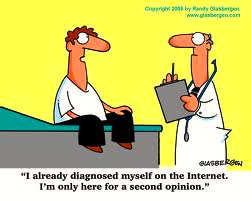
People understand that getting a second opinion might be a good idea in certain medical situations. The hard part is to know when to request one, whom to see, and which opinion to believe.
If something wrong is being done in the care of a patient, obtaining a second opinion by a competent doctor should correct the problem. If you are a patient and you or your family suspect that something untoward is occurring, then you need to request a second opinion. You may feel uncomfortable asking that another doctor be consulted, but it is your right, so do not be intimidated. A quality doctor will welcome a second opinion. Ii used to welcome second opinions because most of the time I am proven right.
Sometimes a doctor will suggest a therapeutic plan, such as surgery, which might be an acceptable approach, but you may wonder whether there is a different solution. You should ask for a second opinion, but the fact is that two or more competent doctors can look at the same data and come up with different opinions, all of which are correct.
An example relates to the use of coronary bypass surgery, a treatment that has been available for over 50 years. Despite widespread use of this technique to treat heart disease, there is still controversy about when to recommend the procedure.
Consider the results of a poll of 7,632 health professionals by the New England Journal of Medicine regarding the proper care of a 67 year old man with stable heart disease and intermittent chest pains. All the doctors polled were given the same medical data and were asked to choose one of three possible treatment options: bypass surgery, angioplastly/stent procedure (PCI), or medical therapy (drugs, diet, exercise, etc.).
Of the votes cast: 43% favored medical therapy; 40% preferred bypass surgery; and 17% recommended PCI. Based upon the knowledge current at the time, all those doctors were correct. Those who participated were from 111 countries and regions, and 85% were physicians. The rest were medical students or other health professionals.
The Journal concluded that the choice of treatment in this case was “controversial” and that more research would be needed. So, this patient could get a second and then a third opinion and wind up with three correct but differing recommendations. What to do?
It is less than ideal, but the patient and his family will have to consider the evidence presented to them and then make a choice. For many in such a situation, the decision boils down to which doctor they trust the most and what is the patient’s preference. Sometimes the primary physician can help. When you see a second opinion doctor, ask him/her to discuss all the options and then to make a specific recommendation.
Second opinions are used for other reasons in addition to errors or controversy. Sometimes an insurance company will mandate a second opinion before they will pay for surgery. Second opinions may also be requested by the physician himself if he is unsure about his diagnosis or treatment. Other reasons to get a second opinion include: life threatening situations, complex cases, or the suggested use of “off label” medicines or experimental therapies.
When it comes to the choice of a doctor to perform a second opinion, you can ask your physician to suggest someone, but the person chosen must be a doctor who is acknowledged as an expert in your community. If the situation is serious, and if the circumstances permit, you might want to see a consultant at a major medical center, such as one run by a medical school, even if you must travel to New Brunswick, New York, Philadelphia or elsewhere.
I love the radio commercials by Dr. Mehmet Oz, a cardiac surgeon who is Director of the Cardiovascular Institute at New York Presbyterian Hospital. At that fine institution, they have a second opinion service for people who were told to undergo heart surgery. He encourages patients to see him because he may find that you don’t need surgery after all.
Now that’s my kind of surgeon. You can find consultants like him by calling major centers or by looking at their web sites to inquire about referral services. Physician referral services run by local hospitals are often a waste of time because they give very little information about their doctors and they are not designed to identify the best physicians. They usually include every doctor on the staff, good, medium or not so medium. (Hopefully your local hospital has no bad doctors on the staff, but that does sometimes happen.)
This multivitamin was used in the randomized clinical research trial described below.
On NBC Nightly News (10/17, story 5, 1:50, Williams), NBC’s Chief Science Correspondent Robert Bazell said that for the clinical trial, “The Physicians Health Study,” researchers gave almost 15,000 male doctors either a multivitamin or a placebo. Treatment with the multivitamin resulted in a small reduction in total cancer risk.
Bloomberg News (10/18, Flinn) reports, “The study’s authors couldn’t pinpoint any single reason for the reduction in cancer among those who took the supplements, though they speculated it may be due to the combination of several low-dose vitamins and minerals, where previous studies looked at the effect of high levels of individual nutrients.”
The Boston Globe (10/18, Kotz) “Daily Dose” blog reports, however, that according Dr. Albanes, “These are very encouraging results, but women weren’t included in this study, nor were younger men, nor those from a range of ethnicities.” Dr. Albanes added, “It’s one trial, and we’ve seen many cases where one trial doesn’t always give the final answer.
The AP (10/18, Marchione, Writer) reports that Dr. Ernest Hawk, formerly of the National Cancer Institute, said that “it’s a very mild effect and personally I’m not sure it’s significant enough to recommend to anyone,” but “at least this doesn’t suggest a harm.”
Blogfinger Medical Commentary by Paul Goldfinger, MD, FACC
There have been many prior trials of multivitamins in the past, trying to prove a benefit in preventing chronic diseases, especially heart trouble and cancer. The National Institutes of Health’s most recent recommendations for good health do not include vitamins for protection. But, the fact is that 1/3-1/2 of the US population take vitamin supplements.
This trial is unique because it is a huge study over 14 years involving nearly 15,000 male physicians over the age of 50. The trial is considered kosher because of its size, long followup and the fact that it is randomized and placebo controlled. The multivitamin that was used was Pfizer’s Centrum Silver, which contains an array of vitamins and minerals.
The study did show a modest benefit with an 8% reduction in total cancer incidence, but the treatment did not result in any reduction in mortality. The most common cancer in the group was prostate, and that was not reduced by vitamins. Also, there is no answer here for women. Prior trials in women were inconclusive. Even the treated group here is a very special one consisting of mostly health minded, non-smoking doctors — not exactly reflecting the general population. This trial, the Physicians Health Study, is presented by the National Cancer Institute and the Brigham and Women’s Hospital in Boston.
The NIH will consider this result in planning for future recommendations, but so far they are not changing their guidelines. In the New York Times today, Dr. J. Michael Gaziano, a cardiologist, said that the benefit of the trial was “modest” but significant. He stressed that other measures are more important than taking vitamins, such as exercise, a nutritious diet and stopping smoking.
My own history over the years with vitamins has fluctuated with the tides of research trials that yielded conflicting results. My usual advice to patients was to skip the vitamin supplements unless they had a poor diet and needed nutritional augmentation. Certainly mega doses of vitamins, advocated by some, have no scientific support.
In the most recent (2011) edition of our book on preventing heart disease, this is what we say: “Vitamins used to be recommended as preventive therapy due to their anti-oxidant actions. In recent years, however, large trials have shown no benefit with vitamins, so these supplements can no longer be considered part of a prevention regimen. This conclusion does not apply to vitamins found in fruits and vegetables.”
But now, I think I’ll get some Centrum Silver. What the heck, it might help and it won’t hurt. Maybe I’ll change my mind with the next study.
“A medical error is a preventable adverse effect of care, whether or not it is evident or harmful to the patient.” (Wikipedia)
By Paul Goldfinger, MD, FACC
Normally, when we think of “defensive medicine” we think of doctors ordering needless tests in order to avoid malpractice suits.
But I’d like to point out another kind of defensive medicine — the kind that requires patients to assert themselves as they navigate the minefield of modern healthcare.
Our idea is to establish the Blogfinger Medical School for Patients — Online Campus. We will present a series of sample cases that illustrate how patients can influence the quality of their care. Some will be actual cases and some will be fictitious, based on reality. You can even send us examples but try to keep it all simple — make one or two points at a time. Here is an example:
BFMS Case Study #1: A middle-aged man with chronic asthma takes medication for it. He sees a pulmonologist regularly and has flare-ups on occasion. When he has flare-ups, his doctor almost always treats them the same way, and early intervention prevents worsening.
He gets a cold and then he is awakened from sleep with asthma. He uses his inhalers, but the next morning he is worse, and he knows that he needs a medical intervention. He calls his pulmonologist, but his doctor is off. The person answering the phone says, “The covering doctor will call you back, but he will make those calls late this afternoon.”
The patient says OK, but his condition deteriorates later in the day, and he winds up in the ER.
Analysis: This patient was right to call his doctor that morning. If the covering doctor had called back quickly, more intense at-home therapy might have stopped the cycle, as in the past, and stabilized him without the ER visit.
Ideally, the doctors’ office should ask the patient to come right over and see any of the group’s physicians. Physicians should always try to find ways to help their patients receive care without going to an ER.
Lesson: Sometimes patients must be demanding. This man should have asked to be seen that morning in the office. If the office refused to see him, then he should have insisted that a physician call him back immediately. If that call-back doesn’t come within an hour or so, he would do well to go the ER (or a reputable urgi-center) to prevent the situation from spiraling out of control.
Subsequently the patient should complain to his doctor about what occurred and ask for a strategy that can be implemented as needed at home to reverse a worsening of the asthma. The doctor should provide the needed prescriptions and guidelines in writing, in advance, for when the asthma acts up again, along with written instructions on how to proceed if home therapy isn’t working.
Blogfinger 2012 post: ABC World News reported, “The American Heart Association has long said that eating oily fish is good for your heart, so millions of people take fish oil supplements hoping for the benefit and, in fact, doctors often recommend the supplements for people who already have heart disease. But a big new study out tonight says those pills are not doing what they thought.”
On NBC Nightly News, chief science correspondent Robert Bazell said, “The research out today combined 20 previous studies involving more than 68,000 patients since 1989.”
USA Today reports the researchers “found no statistically significant association between all deaths, cardiac-related deaths, sudden deaths, heart attacks and strokes among people taking the supplements.”
MedPage Today reports that the study authors wrote that the results “do not justify the use of omega-3 as a structured intervention in everyday clinical practice or guidelines supporting dietary omega-3 polyunsaturated fatty acid administration.”
“There’s never been any compelling evidence of a clinical benefit,” said Dr. Steven Nissen, professor of medicine at the Cleveland Clinic Lerner School of Medicine.
“I still say it’s very important for my patients to have a plant-based diet with omega-3 rich fatty fish as part of a heart-healthy Mediterranean-like dietary strategy which holds benefits probably above and beyond individual omega-3 pill supplements.,” said Long Island Jewish Hospital’s David Friedman MD
Blogfinger Medical Commentary: By Paul Goldfinger, MD, FACC (2012 commentary)
A word on terminology: the substances in question are supplements containing omega-3 polyunsaturated fatty acids (PUFAs). This research did not look at dietary sources of PUFAs which can be found especially in fatty fish (mackerel, sardines, lake trout, albacore tuna and salmon) as well as in walnuts, cashews, and flax seed.
What the summary above did not stress was that small benefits were found in this trial for the supplements, including 9% reduced cardiac death, 11% reduced heart attacks and 13% reduced sudden cardiac death. So, even though those authors did not find significant benefit in their end points, fish oil capsules are usually safe and can offer some potential small cardiovascular advantages as well as lowered triglycerides and perhaps some unproven benefits for other medical problems such as high blood pressure, blood clotting and arrhythmias. These real and potential benefits are no small achievement for a nutritional supplement as compared to actual pharmaceutical drugs.
This is what we said about fish oil supplements in our 2011 book, “Prevention Does Work: A Guide to a Healthy Heart”:
“Fish oil supplements: Capsules containing fish oils may offer the benefits of omega-3 fatty acids, but most of the evidence of benefit was obtained from studying people who ate fish frequently. Taking fish oil capsules may reduce the risk of heart attacks and other complications, but the evidence is still incomplete. One cannot assume that fish oil capsules will confer the same protection as eating fish. On the other hand, the Italian GISSI Trial found a moderate reduction in cardiac risk with fish oil supplements.”
Note that $1.1 billion is spent each year in the US on fish oil capsules.
My advice is to try to get the benefits of fish oil by eating fish. The American Heart Association recommends eating fish at least twice per week. There have been two large diet trials with over 1,000 patients, and these trials showed a benefit from eating fish.
We don’t have any fish oil music , but green tea is good for your cardiovascular health:
USA Today (9/5, Hellmich) reports, “Despite the well-known perils of high blood pressure, more than half of the 67 million American adults who have the condition don’t have it under control, the Centers for Disease Control and Prevention says in a new report out today.”
CDC director Thomas Frieden remarked, “High blood pressure is public health enemy No. 2. There is nothing that will save more lives than getting blood pressure under control.” Frieden “says major progress could be made with pharmacists, nurse practitioners, physicians and other health care providers working together with the doctor ‘as the quarterback.'”
The Hill (9/5, Viebeck) reports in its “Healthwatch” blog that the report found that “high blood pressure contributes to nearly 1,000 deaths per day by increasing the risk of heart disease and stroke. Sixty-seven million Americans have high blood pressure, and of these, 36 million cases are uncontrolled, according to the report. Another 16 million Americans take medication from the condition but still struggle, the report found.” Furthermore, “The CDC estimates that healthcare costs related to high blood pressure top $130 billion annually.”
Blogfinger Medical Commentary by Paul Goldfinger, MD, FACC
Hypertension, defined as blood pressure readings over 140/90, has been called the “silent killer” because it can inflict damage without causing any symptoms. Then, all of a sudden, a stroke other complications can occur.
Even readings that are “high normal” (i.e. 120-139/80-89) are associated with increased risk. We wrote about that in our previous article regarding “pre-hypertension.” (see the link below)
The official guidelines for physicians as to how to deal with hypertension is found in the Seventh Report of the Joint National Committee on Prevention, Detection, Evaluation and Treatment of High Blood Pressure. JNC-7 guidelines The eighth edition has been delayed.
To stress a few points:
1. Life style changes can control mild hypertension, but drugs are usually necessary while you are attempting to lose weight, exercise, change your diet, etc. Weight reduction is especially effective. The best way to eat for hypertensives is to follow a Mediterranean style diet including limiting sodium to under 1000 mg per day and limiting calories.
The NIH suggests the DASH diet for hypertension. This is what our book says about the DASH diet:
“TheDASH diet is a balanced 2000-calorie diet that is a good compromise between the very low fat diets and the American Heart Association diet. It has been recommended by the Joint National Committee on Prevention, Detection, Evaluation, and Treatment of High Blood Pressure (NIH publication # 98-4080). DASH stands for “Dietary Approaches to Stop Hypertension,” a clinical trial that evaluated the management of high blood pressure. The diet was recommended for patients with hypertension, but it is also beneficial in efforts to prevent heart disease and cancer.
DASH supplies 27% of calories from fat (mostly unsaturated) and includes a lot of fruits, vegetables, grains, nuts, seeds, beans as well as small amounts of unsaturated oil such as found in salad dressing, peanut butter and mayonnaise. The DASH diet recommends low fat dairy products such as yogurt as well as increased intake of calcium, potassium and magnesium.”
**From “Prevention Does Work–A Guide to a Healthy Heart.” by Eileen and Paul Goldfinger.
2. Drugs can always be cut back later.
3. Combination medications are often needed. This approach allows the physician to choose drugs that act in different ways to control hypertension. Then the dose can be minimized for each component.
4. Home BP checks are essential to help your doctor achieve control.
5. The goal of treatment is a normal BP reading, but your doctor may have a specific goal for you, so ask about that. For example, in diabetics, the readings are often lowered considerably. For others, anything under 140/80 might be considered successful by some physicians.
6. There are a number of reasons why BP may not be controlled in an individual with hypertension, including non-compliance (not taking meds), not monitoring the BP readings (some people erroneously think that if they feel well then their BP must be OK), and failure on the part of the doctor to be aggressive with therapy and not following guidelines. Or the patient may have truly “resistant hypertension.”
7. A significant number of hypertensives are resistant to medical therapy. There is a new procedure now available called “renal denervation.” Ask you doctor about this if your BP is not well controlled.
Don’t forget: Hypertension is treatable, and the devastating complications are preventable.
I have been reading your Blogfinger medical articles in Mumbai and I like them very much. I am a healthcare provider in the Indian National Health System. I have a company that offers low cost end-of-life services which, I believe, can save your Medicare program a great deal of money.
Please forward my email and my photo to whoever is or will be in charge of planning for reduced costs under Medicare. Please like us on Facebook and tell your friends.