By Paul Goldfinger, MD, FACC. Chief Investigator of the Blogfinger Off-shore School of Medicine. 2016.
2014:
In Woody Allen’s 1973 movie Sleepers , he wondered if we might discover that dietary fats would eventually be found to be healthy. In the last 40 years, the public has been encouraged to reduce fats in their diets in order to prevent heart disease. Many research trials confirmed that saturated fats, such as are found in red meats, ice cream, butter and cheese are a major factor in causing clogged arteries. Along with that, we were told to reduce trans-fats and foods rich in cholesterol, and to have more polyunsaturated fats such as canola and olive oil. Our book Prevention Does Work: A Guide to a Healthy Heart stresses such dietary efforts but acknowledges the complexity of the situation. We wound up recommending a Mediterranean diet which allows increased “good fats”–a recognition that not all fats are bad.
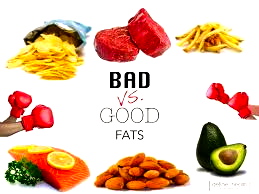
Americans responded by reducing their fat intakes, but obesity has continued to be a problem along with hypertension, diabetes and smoking. In addition, other dietary factors contribute to risk including refined sugars, salt, excess calories, processed foods, and inadequate fiber intake.
Some of you may have heard about a British (U. of Cambridge) study published last week in the Annals of Internal Medicine which said that they could find no relationship between dietary saturated fats and heart disease. Many media outlets jumped up and down over this report, and many of you said, “Yes!! Let’s buy real butter and steaks.”

The trial was a meta-analysis of about 70 studies from 18 countries that encompassed over 600,000 people. But the usual gold standards for definitive research are controlled randomized trials. Instead this analysis is an amalgam of many prior observational studies which looked at groups of people and checked what kinds of fats they were eating and whether they got heart trouble or not. The meta-analysis took all those studies, ran them through their computers, and came up with generalized conclusions. This sort of homogenized information proves very little that is new; it just sorts it out differently and raises some new questions.
What the study does is to suggest that the dietary advice which the public receives from official agencies be reassessed and that more research be done for clarification. Dr. Chowdhury of the U. of Cambridge, the lead author in the study said, “These are interesting results that potentially stimulate new lines of scientific inquiry and encourage careful reappraisal of our current nutritional guidelines.
Although the British study did surprise some experts, it probably will not change the dietary recommendations of the National Institutes of Health or the American Heart Association. At most they may change the wording or the emphasis somewhat. But this trial just came out last week, so after the medical community digests the results, we can expect to hear more controversy about it.
What the trial points out is that we need to look at the foods people are eating along with the specific kinds of fatty acids and other nutrients they are consuming. We already have reported here on the need to adopt a diet such as the Mediterranean style diets which emphasize plant based foods and fish and which emphasize more natural heart-healthy nutrients as are found in fruits and vegetables. The idea of avoiding processed foods is important because so many new such products appear every day. The mantra now is not to eat anything which your grandmother wouldn’t recognize as food.
Yes you can have some saturated fat in your diet but it should be minimized and carefully selected. Trans-fats are still toxic, even in this study, and carbs (other than fiber rich kinds) can make you fat even if you eat very little fat.
The British Heart Foundation said that the findings did not change the advice that eating too much fat is harmful for the heart. Prof. Jeremy Pearson the charity’s associate medical director said ,” This research is not saying that you can eat as much fat as you like.”
So, sorry Woody, but too much saturated fat in the diet is still not good for you.
Here is a link for supplemental reading: Saturated fats link
January 2026. BLOGFINGER SUMMARY OF NEW GUIDELINES:
I have heard and seen information about the new guidelines, and much of it is not documented. But here are some of the features of the new “inverted food pyramid:”
a. “EAT REAL FOOD.” Eat “nutrient dense” whole foods. A motto: “Support MAHA moms “Make America Healthy Again.”
b. Most health care dollars are spent on chronic diseases such as obesity, fatty livers and diabetes, which are mostly due to nutritional factors, so most chronic disease is preventable.
c. The new guidelines favor reduced processed foods, more protein (pork, beef, fish) , more whole grains, more fruits and vegetables,
d. Red meats and “good fats” are encouraged including whole dairy products. (eg eggs, cottage cheese, and whole milk) and saturated fats. !! “End the war on saturated fats” says RFK, Jr, the Secretary of Health in Washington. Also there will be “wars” against added sugars and salt. He says that these changes will lower food costs and reduce chronic diseases.
e. no alcohol–it is not a health food, although the French might disagree.
f. Food corporations are already agreeing to remove harmful dyes and junk foods from their products.
f. These new recommendations will now be implemented in federal programs: schools, the needy, military, in VA hospitals and in all public health nutrition programs such as food stamps (“SNAP.”)
g. The program also suggests reduced pharmaceutical usage and cost.
This sounds a lot like where we have come from before regarding “prevention,” including favoring the Mediterranean diet.
I hope to dig into the details and documentation of this new nutrient pyramid. Overall it seems like a hopeful approach, and I will weigh in as the fatty smog begins to clear and we can scrutinize the science.
Eileen’ s “heart healthy” recipes are mostly still valid, but we may have to make some modifications as we post her creations.
Paul Goldfinger, MD, FACC. Blogfinger.net Ocean Grove, NJ, USA